
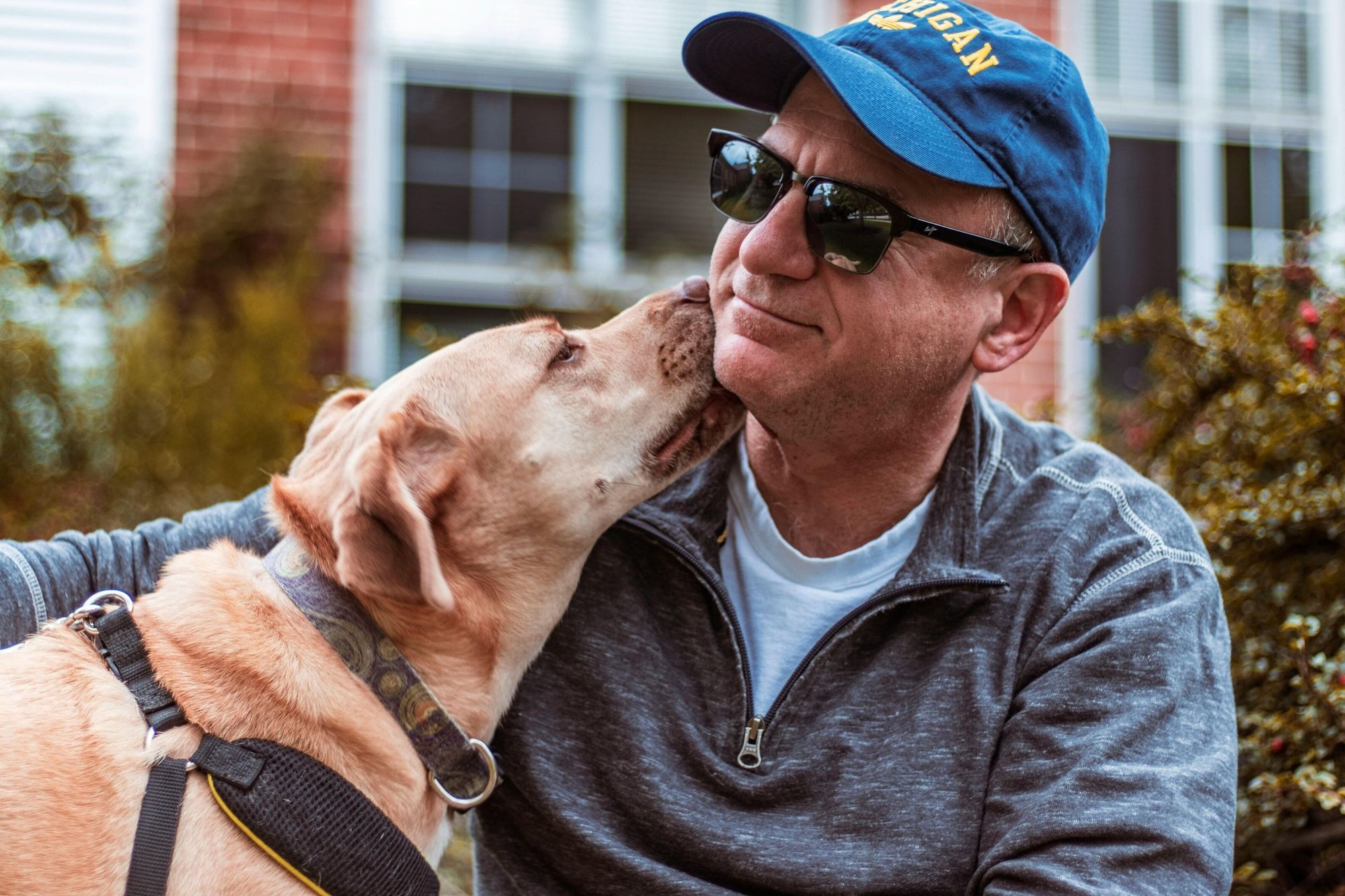
When I first considered renewing my ESA Letter here in New York, I thought it would be a small administrative chore — something to tick off a to-do list. Instead, it turned into a meaningful process that reinforced how much my emotional support animal is woven into daily life. Keeping that letter current is about protecting my housing, maintaining calm routines, and preserving the small freedoms that make each day manageable.
When I read the ESA Letter Strength at RealESALetter.com, I was struck by how powerful the right documentation can be. The guide explains how RealESALetter.com provides a reliable foundation for those who depend on their pets for emotional support.
Over the years I’ve learned that renewal is not a repeat of the original hurdle; it’s an intentional check-in. This October 2025 guide comes from my firsthand experience: what I prepared, what tripped me up, and practical, step-by-step tips that made renewal in New York straightforward. I’ll also point you to the exact pages and resources I used — all placed naturally in the body — so you can follow the same path without guessing.
Why Renewal Matters in New York
New York’s housing scene can be fast and formal. Leases, co-op applications, and building management processes often involve paperwork checks that can catch an expired ESA document. Having a current letter when your landlord or building manager asks prevents embarrassing delays and protects your rights under housing rules. Renewal keeps the focus where it belongs: on your wellbeing rather than administrative friction.
For me, the most immediate benefit was peace of mind. I no longer feared that a routine lease conversation would suddenly become a complicated legal debate. Instead, renewals turned into a quick, contained activity that preserved my daily stability.
How I Planned My October Renewal
Planning made everything far easier. Thirty days before my letter expired I did three things: I set calendar reminders, I prepared short notes about how my ESA helps me day-to-day, and I checked the renewal guidance on the site’s dedicated ESA Letter Renewal page so I knew what to expect. This early prep removed the last-minute scramble and gave me control.
I also compared costs and timing on the company’s Pricing page so I could budget. Knowing the fee in advance eliminated surprises and let me schedule the renewal without financial stress.
Step-by-Step: My Renewal Process
The renewal turned out to be simple once I had everything ready. Here’s the step-by-step breakdown I followed and recommend:
1. Set a reminder 30–45 days before expiry. This gives you time to collect notes and avoid rushed decisions.
2. Write a short update. I wrote 4–6 bullets describing how my ESA helps (sleep regulation, anxiety reduction, grounding in crowded places).
3. Locate clinician records. If you previously worked with the same provider, confirm they have your prior assessment on file — that speeds up renewal.
4. Schedule the renewal evaluation. The clinician did a focused session — not the lengthy initial intake — which validated ongoing need.
5. Receive and store the letter. Save a PDF and print a copy to keep with lease files.
6. Communicate with your landlord if needed. A short, factual email stating that an updated letter will be provided often prevents friction.
How Renewal Differs from Getting a New Letter ✨???
When I first applied for an ESA letter, the process was comprehensive. It required a full assessment of my mental health history, detailed intake forms, and a careful clinical conversation. That initial process establishes baseline clinical information and explains why the support animal is therapeutic for you.
Renewal wasn’t a repeat of that heavy intake. It was a focused confirmation. My clinician already had the background notes and diagnosis in the file — renewal was an opportunity to update the record, highlight any changes, and reaffirm the ongoing therapeutic benefit of my companion. That made the renewal appointment shorter, less emotionally draining, and far less stressful.
Practically, renewal felt like a verification badge. It told landlords and housing managers that this was a sustained need, not a one-off request. I found an essay — The Everyday Comfort of an ESA Letter — that captured the quiet, cumulative ways an ESA helps. Reading it reminded me that renewal is affirmation: small, steady support that accumulates into real wellbeing.
Real-Life Example: Lease Renewal in Brooklyn
During my last lease renewal, my landlord requested updated documents as part of a routine check. Because I had already renewed my ESA letter and saved the PDF, I simply attached the document and a one-paragraph note to my landlord’s email. The response was quick and administrative — a stamped “received” — and I avoided the awkward conversation I’d feared. Planning ahead turned a potentially stressful moment into a minor administrative update.
Avoiding Scams & Low-Quality Services
One of the scariest things I learned is how many services sell instant or templated letters without clinician review. Those documents often fail when landlords or housing authorities examine them closely. To protect myself, I used resources that stressed clinician involvement and transparent processes. The site’s overview of Emotional Support Animal Laws helped me understand what legitimate documentation should include and why clinician involvement matters.
What I Included in My Renewal Notes
For the renewal conversation, I kept my notes short and specific. Examples I used:
- “My cat helps me regulate sleep; I have fewer long-wakeful nights.”
- “During crowded commutes, petting my cat before leaving reduces panic symptoms.”
- “Weekly routines with my ESA provide structure that improves my day-to-day functioning.”
These concise points made the clinical check-in focused and credible. Clinicians appreciate clarity and brevity — it speeds the process and helps them write a clear, defensible letter.
Preparing for Common Pushback
Sometimes a landlord or board asks questions that feel intrusive. I learned to respond with short, factual answers: provide the letter, avoid sharing sensitive medical details, and offer the clinician’s contact if verification was truly required. This approach is respectful and keeps the conversation grounded in documentation rather than emotion.
When Landlords Ask for Verification
If your landlord asks for verification beyond the letter — like clinician contact — ask whether an email from the clinician or a brief verification statement will suffice. In my case, a succinct statement from the clinician confirming the ongoing therapeutic recommendation resolved a co-op board’s concerns without revealing private health details.
Costs & How I Budgeted
Renewal costs vary by provider, and many services offer lower rates for renewals because clinicians already have your records. I checked the provider’s pricing page ahead of time to budget. Saving for the renewal over a few months made the fee feel manageable rather than sudden.
What to Do if Your Renewal Is Delayed
If the clinician’s schedule or other factors delay your renewal, communicate proactively with your landlord. A short, factual message explaining that an update is in process and giving an expected completion date goes a long way. I emailed my landlord with a one-line note and an expected date; that transparency prevented unnecessary escalation.
Special Notes for New York Housing Types
Co-op boards and condos sometimes require a bit more documentation than standard rental offices. If you live in a co-op, prepare for potential administrative review times and consider presenting the renewed letter with a brief cover letter summarizing the documentation. Being organized and professional made the review process quicker for me.
Practical Checklist I Used Before Submitting Renewal
- Confirm clinician license and credentials.
- Prepare a 3–5 point update on how your ESA assists daily functioning.
- Save digital and printed copies of the renewed letter.
- Draft a short email template to send to landlords if needed.
- Budget for the renewal fee in advance.
How Renewal Supports Long-Term Mental Health
Renewal became a small ritual for me — a yearly check-in that encouraged me to reassess coping strategies and the role my ESA plays. That annual rhythm helped me stay engaged with my treatment plan and reinforced continuity of care. It’s a small administrative step with outsized benefits.
Real-Life Challenge: Neighbor Concerns
Once, a neighbor complained about perceived noise. I responded with a short message: I’m renewing my ESA letter, here’s a copy of my renewal, and I’ll follow agreed-upon quiet hours. Combining documentation with a cooperative plan resolved the issue. The renewal letter bolstered my credibility and helped turn a complaint into a constructive conversation.
Travel & Short-Term Stays
If you use short-term furnished apartments or stay with family, a current ESA letter helps with clear communication. Hosts and property managers often feel reassured when presented with updated documentation. I also found it useful to keep a one-page summary of the letter: clinician name, date, and a short sentence describing the accommodation. That one-page summary made hosting platforms and short-term managers more comfortable without exposing private health details.
When to Consider a PSD Instead of an ESA
For some people, needs evolve and a psychiatric service dog (PSD) may become more appropriate. PSDs carry different legal considerations and often require task-specific training. If you notice your daily functioning requires specific task-based support, discuss PSD options with your clinician. For my situation, ESA renewal remained the best fit, but it’s good to be aware of alternatives if needs change.
External Perspectives I Read:
To broaden my perspective, I read a practical article about using ESA letters for housing that aligned with my experience: ESA Letter for Housing. It offered useful phrasing for tenant-landlord conversations and helped me format my short email to building management.
I also reviewed a broader piece on spotting legitimate ESA services and avoiding scams, Best Emotional Support Animal Letter Website teling about how to Spot the Right One. That article reinforced the importance of clinician involvement, transparent pricing, and verifiable credentials — things I prioritized when choosing a renewal provider.
How Renewal Felt Emotionally
On a personal level, renewal felt like affirmation. It validated that the progress I’d made — more stable sleep, fewer panic episodes, better social functioning — was real and recognized. Clinically validated support is powerful: the renewal confirmed that my needs were legitimate and ongoing, which translated to less shame and more confidence in my routines.
Tips for Cat Owners (Specific Practicals)
As a cat owner, I keep a small folder with the renewal letter and vet records. I also include a short paragraph describing my cat’s temperament and routine (kept private unless requested). These small documents help landlords feel reassured without exposing medical details. The combination of renewal documentation plus basic care info solved most landlord questions quickly.
When Renewal Is Not Enough — Next Steps
Occasionally, additional steps are necessary: if a landlord alleges nuisance behavior or safety issues, be prepared with a plan — training records, behavior notes, or evidence of steps you’ve taken to mitigate issues. Addressing the landlord’s reasonable concerns while presenting your renewed letter usually leads to constructive solutions.
Long-Term Record-Keeping
I keep an annual folder with every renewal letter, dated and labeled. Over time that record shows continuity and protects me if questions ever arise about long-term need. Having that folder — both digital and printed — gave me confidence that if paperwork ever came under scrutiny, I had a clean, chronological record to present.
Closing Thoughts — Why Renewal Is Worth It
Renewal is a small annual investment with big returns. It protects housing rights, eases daily interactions, and affirms your ongoing care plan. In New York’s fast-moving housing market, being proactive about renewal turned out to be one of the best choices I made for my peace of mind.
If you rely on an emotional support animal, make renewal a simple part of your yearly routine. Use licensed providers, budget ahead, and keep documentation organized. The quiet stability that comes from having everything in order is absolutely worth that small, scheduled effort.
Frequently Asked Questions
1. How often should I renew my ESA letter in New York?
Most ESA letters are valid for one year. Renewing annually ensures the documentation is current and more likely to be respected by landlords and housing providers. I set calendar reminders 30 days before expiry to start the renewal process early.
2. What happens if my ESA letter expires before I renew?
If your letter expires, landlords may question the legitimacy of your accommodation request or delay administrative approvals. Consequences can include delays in lease renewals or additional verification requests. If renewal is delayed, communicate proactively with your landlord — a short factual note that an updated letter is in process often prevents escalation.
3. Can I renew online while living in New York?
Yes. Trusted providers offer online renewals connecting you to licensed clinicians. The remote process makes renewal convenient: you can complete the evaluation from home and receive a PDF of the renewed letter. I used the online pathway and saved both a digital and printed copy for my files.
4. How much does renewal cost?
Costs vary by provider. Many services offer renewal at a lower fee than the initial application because clinicians already have your records. I checked the Pricing page to compare options and budget accordingly; planning ahead helped me avoid financial surprises.
5. What should I say to a landlord when presenting my renewed letter?
Be concise and factual: state that you have an updated ESA letter from a licensed clinician and offer to email a PDF. Avoid oversharing medical details. If the landlord requests verification, offer a clinician contact or a short verification statement. This professional approach usually resolves questions quickly.
6. If my needs change, do I need different documentation?
Possibly. If your needs evolve to require task-oriented support, a psychiatric service dog (PSD) may be appropriate and involves different documentation. Discuss long-term care needs with your clinician to determine whether a PSD route is necessary. The PSD path often includes training and additional legal considerations.
7. Do co-op boards treat ESA renewals differently?
Co-op boards and condo administrations may require additional documentation or take longer to review, but a current, clearly formatted renewal letter usually suffices. Being organized — presenting the letter alongside a short cover note — helped me expedite co-op reviews and avoid drawn-out conversations.
Related Resources:
- ESA Letters & Emotional Balance – October 2025
- Everything You Need to Know About Getting a Legit ESA Letter Online in 2025
- Is RealESALetter.com a Legitimate Source for ESA Letters? What You Need to Know
- Emotional Support Animals (ESAs): Improve Your Mental Well-Being in 2025
- The Complete 2025 Guide to Emotional Support Animal Letters
- ESA Letter Benefits 2025: Legal, Mental & Lifestyle